Anemia happens when your body does not have enough healthy red blood cells to carry oxygen. One of the most common causes is iron deficiency. Iron is essential for making hemoglobin, the protein in red blood cells that carries oxygen throughout the body. When iron levels stay low, you may feel tired, weak, short of breath, or dizzy.
Many people start with oral iron supplements. However, sometimes pills are not enough. In those cases, your provider may recommend an iron infusion for anemia. As more patients learn about this option, a common question comes up: how often can you get iron infusions for anemia?
Let’s explore what iron infusions are, when they are used, how often they may be given, and what you can expect from treatment.
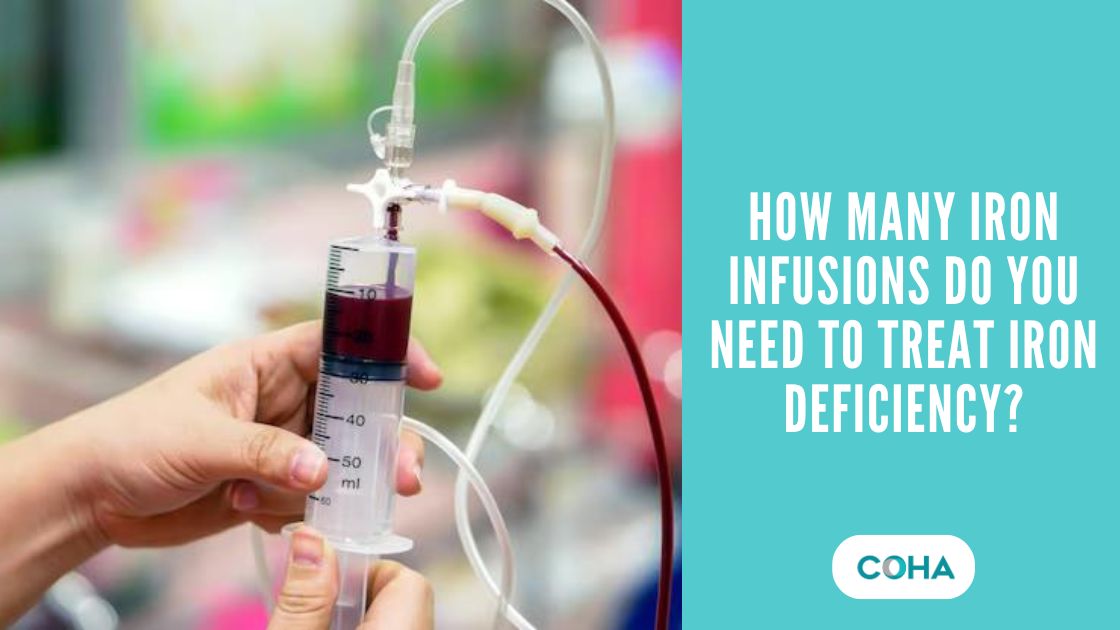
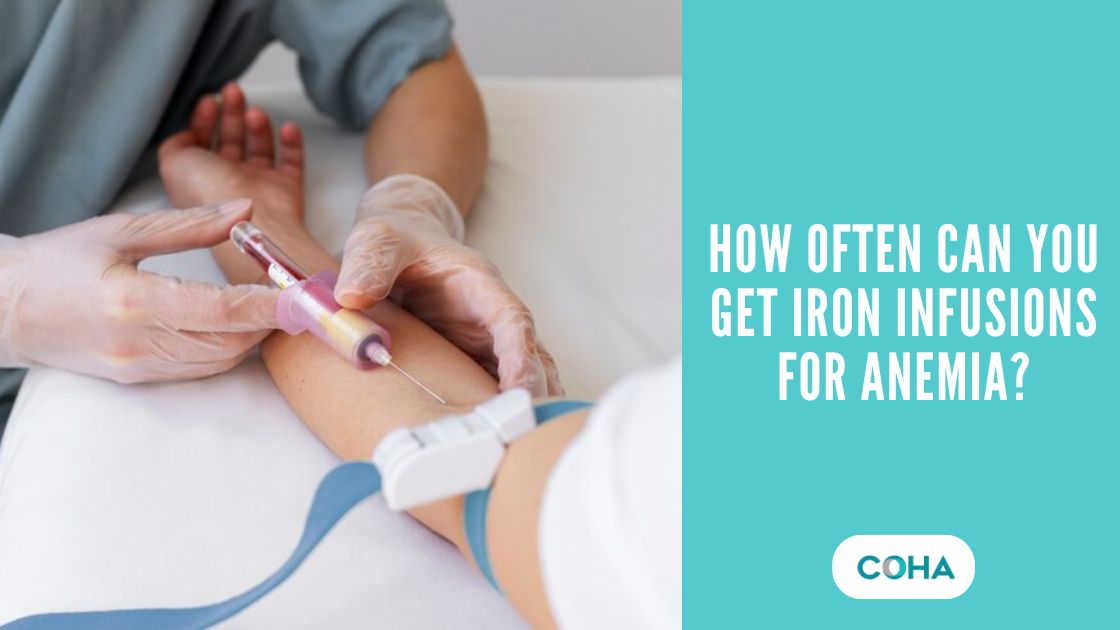
An iron infusion delivers iron directly into your bloodstream through a vein. This treatment is also called iron infusion therapy for anemia.
During an iron infusion:
Because iron is absorbed directly into your blood, it can correct iron-deficiency anemia more quickly than oral supplements for many patients.
Not everyone with anemia needs an infusion. Doctors usually recommend iron infusion for iron deficiency anemia when:
Signs that oral iron is not adequate include:
The number of iron infusions you need depends on several factors, including your iron levels, the cause of your anemia, your overall health, and how well you respond to treatment, so your infusion plan may be different from someone else’s.
Different products, such as iron sucrose or ferric carboxymaltose, have different dosing limits per visit. Your doctor calculates your total iron need based on:
The goal is to replace your iron deficit safely without giving more iron than your body needs.
Here is what usually happens on the day of your infusion:
Common short-term side effects include:
Severe reactions are rare but can include trouble breathing, chest pain, or significant swelling. Staff are trained to respond quickly if that happens.
You should call your doctor or seek urgent care if you notice:
Many people notice some improvement in symptoms, such as fatigue or dizziness, within a few days to a couple of weeks. However, full benefits can take several weeks.
Your healthcare provider will usually repeat blood tests:
How quickly you feel better can depend on:
Iron infusions are generally safe when given under medical supervision. Short-term side effects of iron infusion are usually mild and go away on their own.
Rare but serious complications can include:
Because of these risks, iron infusions should always be ordered and monitored by a healthcare professional. For people with chronic conditions that keep causing iron loss, repeated iron infusions may be needed over time. In those cases, providers closely monitor iron levels to avoid giving too much.
Iron infusions treat low iron levels, but they also support your body in other ways.
Helpful steps include:
Your provider may still recommend oral supplements to maintain iron levels after the infusion, especially if your body continues to lose iron.
There is no single answer to how often you can get iron infusions for anemia. The number and timing of infusions depend on the severity of your anemia, its cause, and your response to treatment. Some people need one or two infusions, while others with chronic conditions may require them periodically.
At Chesapeake Oncology-Hematology Associates, our team reviews your blood work, symptoms, and overall health to design a personalized iron infusion plan. Iron infusions are safe and effective when closely monitored. If you are dealing with iron deficiency anemia or have questions about how often you may need iron infusions, contact us today to schedule a consultation and discuss the best plan for you.
Iron infusions work faster and can be more effective when oral iron is not absorbed or causes severe side effects. Your provider decides which option is best for you.
Chronic kidney disease, inflammatory bowel disease, heavy menstrual bleeding, certain cancers, bariatric surgery, and ongoing blood loss can require repeated infusions.
They may be used in pregnancy when anemia is severe or oral iron is not working or tolerated, based on an individual risk–benefit decision.
Follow your clinic’s directions. Avoid new medications or supplements without medical advice, and skip strenuous activity if you feel tired or lightheaded afterward.
Yes. Anemia can return if the underlying cause continues, which is why follow-up visits and blood tests are essential.